Allergy Cleaning Services London
Available 24/7
Speak to us 0203 951 4864
WE COVER ALL LONDON BOROUGHS AND SURROUNDING AREAS
Professional Allergen Reduction Cleaning for Dust Mites, Pet Dander, Mould Across London
Indoor allergens are the leading environmental trigger for asthma, eczema, allergic rhinitis, and other atopic conditions in the UK.
The house dust mite, pet dander, mould spores, and cockroach allergen collectively affect millions of UK households — and the typical domestic cleaning approach addresses none of them effectively. Professional allergen reduction cleaning uses the equipment, products, and methods that actually reduce allergen load in a home to clinically meaningful levels.
Emergencycleaning247 provides professional allergy cleaning services across all of London targeting the specific allergens present in your home with appropriate cleaning methods, reducing the allergen burden that is triggering or worsening symptoms, and providing a genuinely measurable improvement in indoor air quality that standard domestic cleaning cannot achieve.
We work with individuals and families who have been struggling with allergy and asthma symptoms, with parents whose children have diagnosed atopic conditions, and with people who have been advised by their GP or allergy specialist to reduce the allergen load in their home environment. Our approach is evidence-based, our methods are specific to the allergens present, and our results are real. For advise seek this help from these resources Allergy UK: allergyuk.org; Asthma + Lung UK: asthmaandlung.org.uk
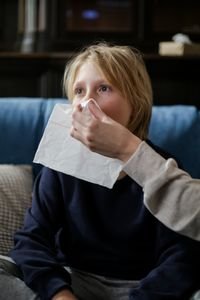

Becoming Aware of Indoor Allergens — A Science Behind these Symptoms
House Dust Mites — The Primary Indoor Allergen
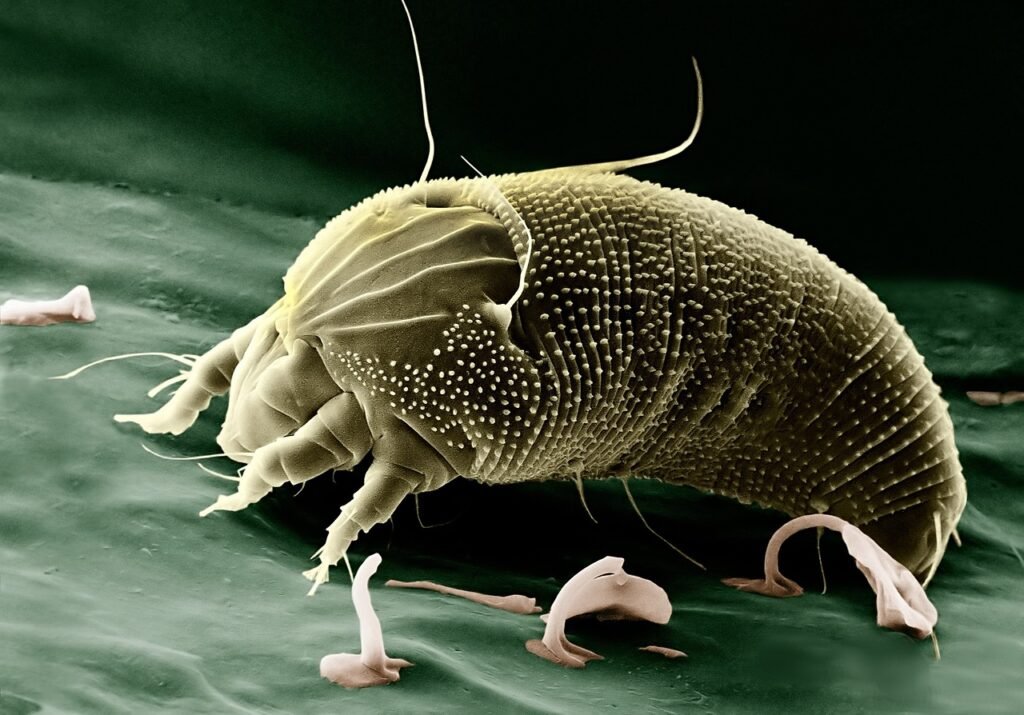
House dust mites are microscopic arachnids — 0.2 to 0.3 millimetres in length — that live in bedding, carpets, upholstered furniture, and soft furnishings in virtually every heated home in the UK.
A single mattress can harbour several million dust mites. The allergen responsible for triggering symptoms is not the mite itself but its faecal particles — tiny protein granules that become airborne when disturbed and are inhaled during sleep and normal household activity.
Effective dust mite allergen reduction requires three combined approaches: reduction of the live mite population using heat above 55°C, removal of allergen particles using HEPA-filtered vacuum extraction, and denaturing of residual allergen protein using specialist anti-allergen sprays. Standard domestic vacuuming addresses none of these — it redistributes fine allergen particles into the air without capturing them.
The primary allergens are Der p1 and Der p2 (from Dermatophagoides pteronyssinus, the most common UK species). These proteins are protease enzymes that, when inhaled by sensitised individuals, trigger the IgE-mediated immune response that produces asthma, rhinitis, and eczema symptoms. Der p1 can also directly disrupt the respiratory epithelium, allowing greater allergen penetration — which is why dust mite allergy tends to worsen with repeated exposure.
Mould Spores — Aspergillus, Penicillium, and Cladosporium
Mould allergen causes both IgE-mediated immediate hypersensitivity responses (runny nose, sneezing, asthma) and in some species — particularly Aspergillus fumigatus — the more serious condition of allergic bronchopulmonary aspergillosis in asthmatic patients. Mould spore counts are elevated in damp, poorly ventilated rooms and peak seasonally between July and October outdoors, though indoor mould sources maintain elevated spore counts year-round.
Effective mould allergen reduction requires addressing both the visible mould growth with appropriate antifungal biocidal treatment and the environmental conditions — humidity, ventilation — that support mould growth. Surface treatment without environmental remediation produces temporary results only.
Cockroach Allergen — Bla g2
In London’s dense urban housing — particularly in certain inner boroughs — cockroach allergen (Bla g2) is a significant and frequently underdiagnosed trigger for childhood asthma. It is found in saliva, faecal material, and body parts of cockroaches and becomes airborne as particles in contaminated properties. Studies in urban areas consistently identify cockroach sensitisation as a major asthma severity driver in inner-city children. Professional allergen reduction in properties with confirmed or suspected cockroach activity requires decontamination of all affected surfaces alongside pest control.
When You Need This Service
• Households with diagnosed asthma, particularly where symptoms worsen indoors
• Eczema or allergic skin conditions linked to dust mite exposure
• Persistent unexplained allergy symptoms concentrated at home
• Moving into a new rental or purchased property with unknown allergen history
• Preparing a property for a tenant or family member with known sensitivities
• After a pet has lived in a property, for incoming allergy-sensitive occupants
• Mould-affected properties where spores have spread beyond the visible area
Our Way of Carrying Out Allergy Cleaning
Assessment
we identify likely allergen sources: carpets, upholstery, bedding areas, curtains, and ventilation with you on the phone before given you a quote.
Special Vacuum Equipment
specialist vacuum equipment captures fine particles rather than redistributing them into the air.
Anti-allergen treatment
Targeted solutions applied to carpets and soft furnishings to neutralise dust mite allergen and reduce future build-up.
Deep cleaning of soft furnishings
Mattresses, sofas, curtains, and upholstery treated to reach embedded allergens.
Final verification and guidance
We explain what was treated and offer practical advice on maintaining lower allergen levels between cleans.
book allergy cleaning services
For professional allergy cleaning anywhere in London, contact EmergencyCleaning 247.
We will discuss your specific allergen concerns and recommend the most effective treatment approach for your situation.
CALL: 0203 951 4864 — Available 7 days across all London boroughs.
EMAIL: info@emergencycleaning247.co.uk — Include your borough, property type, and specific allergen concerns.
Satisfied Customer Service • BS EN 13697 Certified Products • Evidence-Based Methods • All 33 London Boroughs Covered • All Postcodes Covered
Questions We Receive Most From Customers?
Will this actually help with my asthma or allergy symptoms?
Many clients report a noticeable improvement, particularly where dust mites or pet dander were a significant contributing factor. We cannot diagnose or guarantee a medical outcome, but the process specifically targets the allergen sources most commonly linked to symptom flare-ups, and we’d always recommend continuing to follow your GP or allergist’s advice alongside it.
How is this different from a normal deep clean?
A normal deep clean focuses on visible dirt and general hygiene. Allergy cleaning specifically targets dust mite allergen, pet dander, and mould spores designed not to redistribute fine particles into the air during the process itself.
Can you clean mattresses without damaging them?
Yes. We use appropriate extraction techniques and allergen-safe solutions suited to mattress fabric, avoiding over-wetting that could damage the material or encourage mould.
How often should allergy cleaning be repeated?
This depends on the household — pet owners and homes with carpeted bedrooms often benefit from cleaning every 6 to 12 months, while symptom severity and lifestyle factors can shift that timeline either way. We can advise based on your specific situation.
Is this safe for young children or pregnant women in the household?
Yes. We select products specifically with sensitive households in mind and can discuss any particular concerns before starting work.
Do you address mould as part of allergy cleaning?
Light surface mould affecting air quality can be included. Significant mould growth typically needs our dedicated mould removal service first, after which allergy cleaning can address the residual spore load.