A ROOM-BY-ROOM UK GUIDE
If your eyes stream, your nose blocks or a cough keeps returning in the same room, the cause is often what has settled there: dust mite droppings, pet dander, pollen carried in on clothes, or spores from a damp corner. No home can be made allergen-free. You can reduce what you breathe in a great deal, and this guide shows where to start, what actually helps and where cleaning stops.
It is written for UK homes, from flats to Victorian terraces. The numbers come from Allergy UK, the Met Office and GOV.UK guidance, which we list at the end, and the room-by-room advice follows the places our cleaners are asked to work on most.
Cleaning is not treatment. If symptoms persist, talk to a pharmacist or your GP, and follow your asthma action plan if you have one. If someone has trouble breathing, swelling of the lips, face or throat, or signs of a severe reaction, call 999.
The short answer
- Four culprits cause most indoor allergy: house dust mites (their droppings, not the mites themselves), pet dander, mould spores and pollen carried in from outside.
- Combine measures. Allergy UK says complete removal is not possible, that several measures are needed and that one or two on their own may not be noticeable.
- The biggest wins are simple: wash bedding weekly at 60°C or above, use allergen-proof covers, vacuum with a HEPA or similar filter, damp-wipe instead of dry dusting, and keep indoor humidity between 30% and 50%.
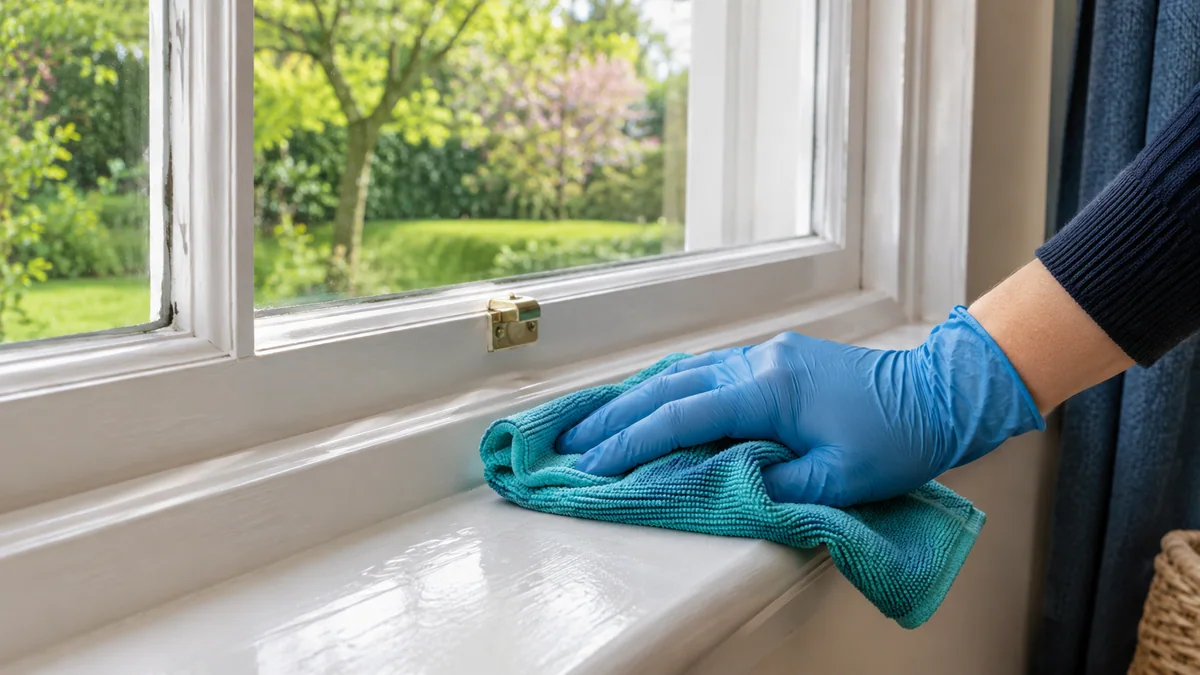
- Pollen has three seasons: tree pollen from late March to mid-May, grass from mid-May to July, weeds from late June to September. Shower and change clothes after being out, and damp-wipe sills.
- Mould is a symptom of damp. Cleaning removes the patch but not the cause, so fix the condensation or leak, and ask your landlord or a professional to deal with large areas.
- A professional allergy clean can help when you move into a new home, after pets, building work or a leak, or when you cannot manage the heavy cleaning. EC247 cleans the places allergens collect. We cannot promise your symptoms will ease.
What allergy-proofing can and cannot do
Allergy-proofing means lowering the amount of allergen you breathe in and touch at home. It does not cure an allergy, and it cannot remove allergens entirely. Allergy UK says plainly that “it is not possible to completely remove house dust mites from your home”. It also says that trials suggest several measures are needed together, and that there is no way to predict whether a person will benefit except by trying.
That honest starting point matters. A company that promises an allergen-free home is promising something that cannot be delivered. What cleaning can do is reduce what has built up in the places where you sleep, sit and play, and make those places easier to keep clear. Used with the treatment your GP or pharmacist suggests, that often makes a difference people notice. Allergy cleaning is one of the measures, not the whole answer.
The rest of this guide is practical. We start with the four things that cause most indoor allergy, then walk through the home room by room.
The four indoor culprits: where they hide and what helps
| Allergen | Where it hides | What triggers symptoms | What helps most |
|---|---|---|---|
| House dust mites | Mattresses, bedding, carpets, upholstery, soft toys and clothing. They feed on shed skin and favour warm, humid conditions. | Proteins in mite droppings. Each mite makes about 20 every day, and they keep triggering symptoms after the mite dies. | Hot washing at 60°C or above, allergen-proof covers, humidity under 50% but over 30%, HEPA vacuuming, damp wiping. |
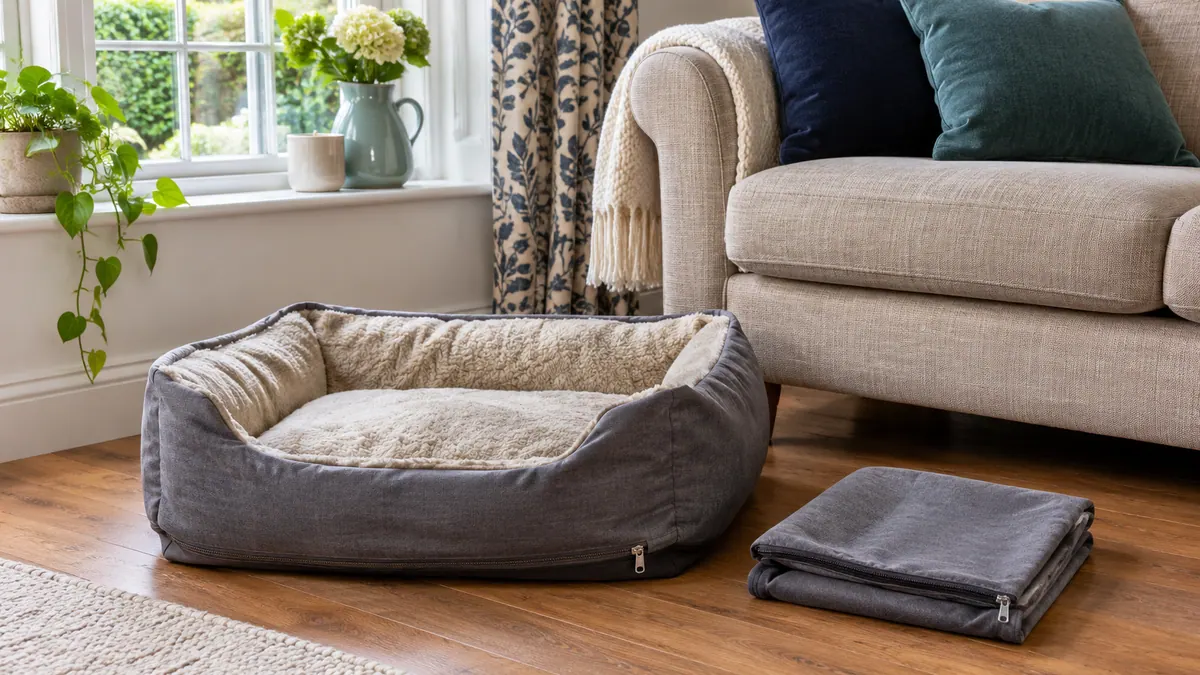
| Pets: cats, dogs, small mammals | Fur, sofas, bedding, carpet. Cat allergen is particularly persistent and can remain in a home long after the cat has gone. | Proteins in saliva, urine and dander (skin flakes). | Keep pets out of the bedroom, wash pet bedding hot, damp dust, HEPA vacuum, consider steam cleaning and an air purifier. |
| Mould | Damp walls and ceilings, window frames, bathroom sealant, behind furniture, fridge seals. | Spores. UK guidance says damp and mould mainly affect the airways and lungs, and can trigger or worsen asthma and rhinitis. | Fix the cause (condensation or a leak), ventilate, heat, clean small patches with a mould product. Larger areas need a professional or landlord. |
| Pollen | Comes in on hair, clothes and pets, then settles on sills, bedding and floors. | Tree, grass and weed pollen, in different seasons. | Shower and change clothes, damp-wipe sills, wash bedding, keep windows shut at peak times, vacuum. |
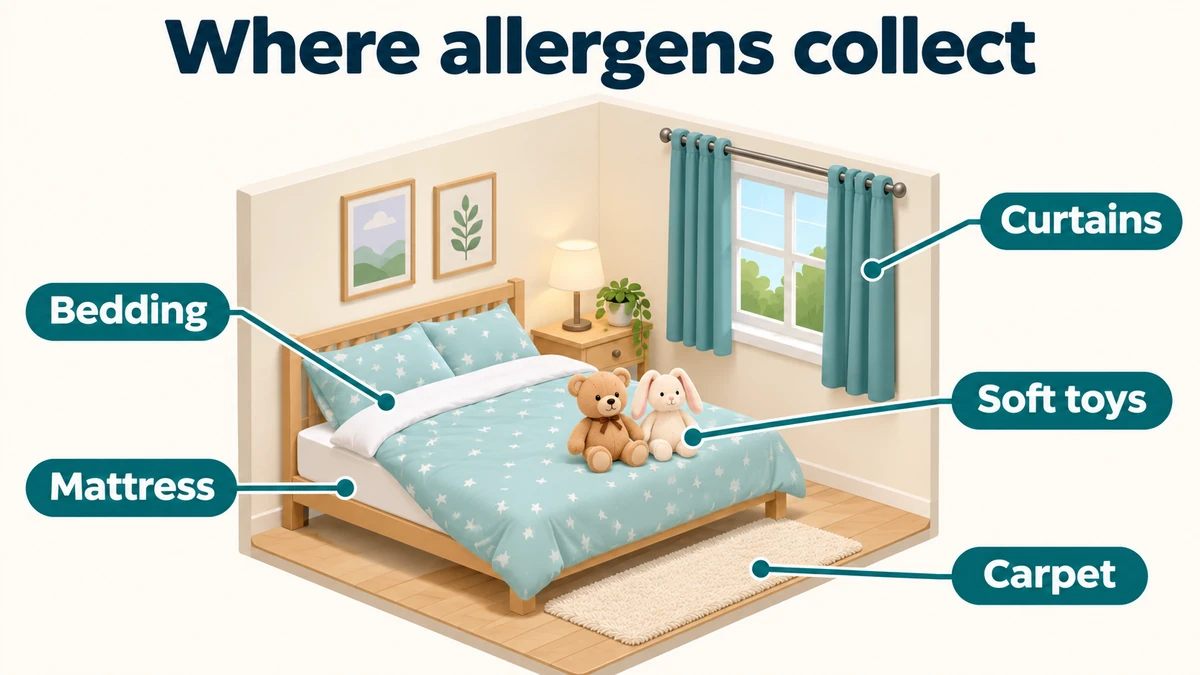
Two points follow from the table. Most of the allergen sits in soft things (bedding, carpet, upholstery), so the bedroom comes first. And most of the measures are about moisture, because mites and mould both need it.
How allergen-friendly is your home? A quick checker
Use this to see where to start. It adds up the common sources in your home and gives you your three biggest priorities.
Home allergen risk checker
Tick everything that applies. This is a rough guide to how many allergen sources your home may have. It is not a medical test.
Low. Few allergen sources show up. Keep up the basics: weekly hot washing, damp wiping and good ventilation.
Moderate. Several common sources are present. Fixing the top three below will make a real difference.
High. Many allergen sources are present, probably including the bedroom. Work through the room-by-room guide below, starting with the bedroom.
Very high. Allergens are likely to be building up in several places, and damp may be involved. Start with the bedroom and the damp, and consider a professional allergy clean to reset the home.
Your top three priorities
Score: 0. This tool saves nothing and sends nothing.
Room-by-room guide
Choose a room on the house below, or use the buttons. Each room lists the hotspots, the weekly and monthly jobs and what to skip.
Where allergens collect in each room
Bedroom
Where allergens collect: mattress, pillows, duvet, bedding, bedroom carpet and rugs, curtains, soft toys, headboards, books and clothes left on chairs. You spend about a third of your life here, so it is the room that matters most.
Do this every week
- Wash sheets, pillowcases and duvet covers at 60°C or above if they are not inside allergen-proof covers.
- Damp-wipe bedside tables, shelves and the headboard.
- Vacuum the floor slowly with a HEPA or similar vacuum, and the mattress and upholstery if you can.
- Keep pets out of the room and off the bed.
Do this every month or season
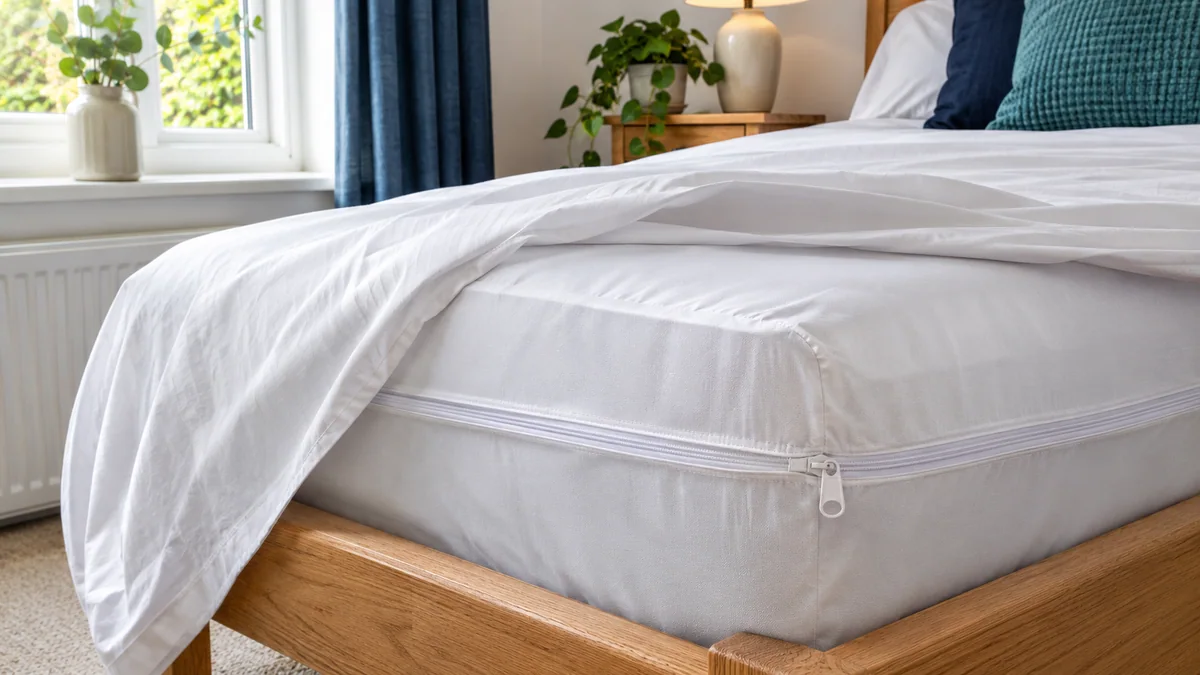
- Fit allergen-proof covers on the mattress, duvet and pillows. They should be breathable and completely enclose the item.
- Remove bedroom carpet where possible. Hard floors are easier to keep clear.
- Wash or freeze soft toys that cannot go in at 60°C: Allergy UK says at least 12 hours in the freezer, monthly, then wash.
- Store clothes and spare bedding in closed wardrobes or boxes, not on open shelves or under the bed.
What to skip: feather dusters, dry dusting and spray fresheners. They lift dust into the air or add irritants.
Living room
Where allergens collect: sofas and armchairs, cushions and throws, rugs and carpet, curtains and blinds, shelves of ornaments and books, pet beds and the gap behind the sofa.
Do this every week
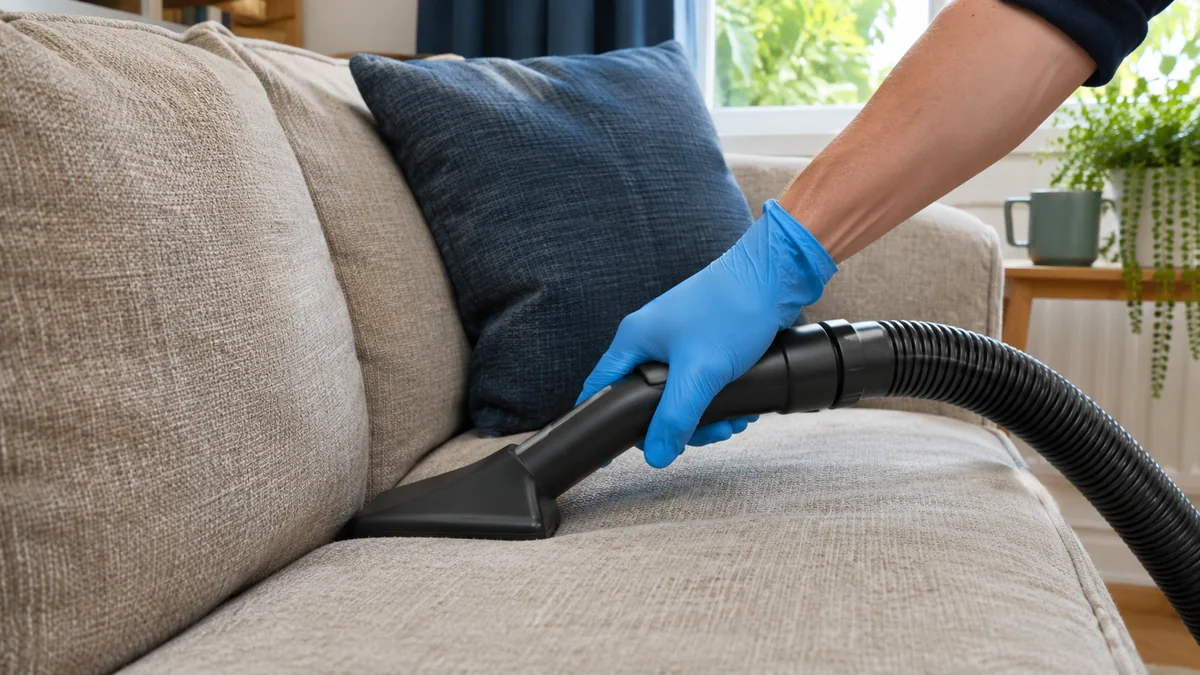
- Vacuum all upholstered furniture. Allergy UK advises at least twice a week, using a HEPA or S-class filter.
- Damp-wipe shelves, sills, the TV unit and skirting boards.
- Shake out and wash throws and cushion covers on a hot wash if the label allows.
- Give pets their own bed and keep them off the sofa.
Do this every month or season
- Wash curtains regularly, and wipe blinds with a damp cloth.
- Consider high-temperature steam cleaning for carpets and upholstery, which Allergy UK lists as an option.
- Clear shelves of ornaments you do not need. Fewer surfaces means less dust.
- If you can, replace a heavily worn carpet with hard flooring and washable rugs.
What to skip: heavy drapes and crowded open shelving, which collect dust and are hard to clean.
Kitchen
Where allergens collect: bin and bin area, fridge door seals and drip tray, sink and under-sink cupboard, extractor filter, window sills and any damp corners. Steam and condensation build up here.
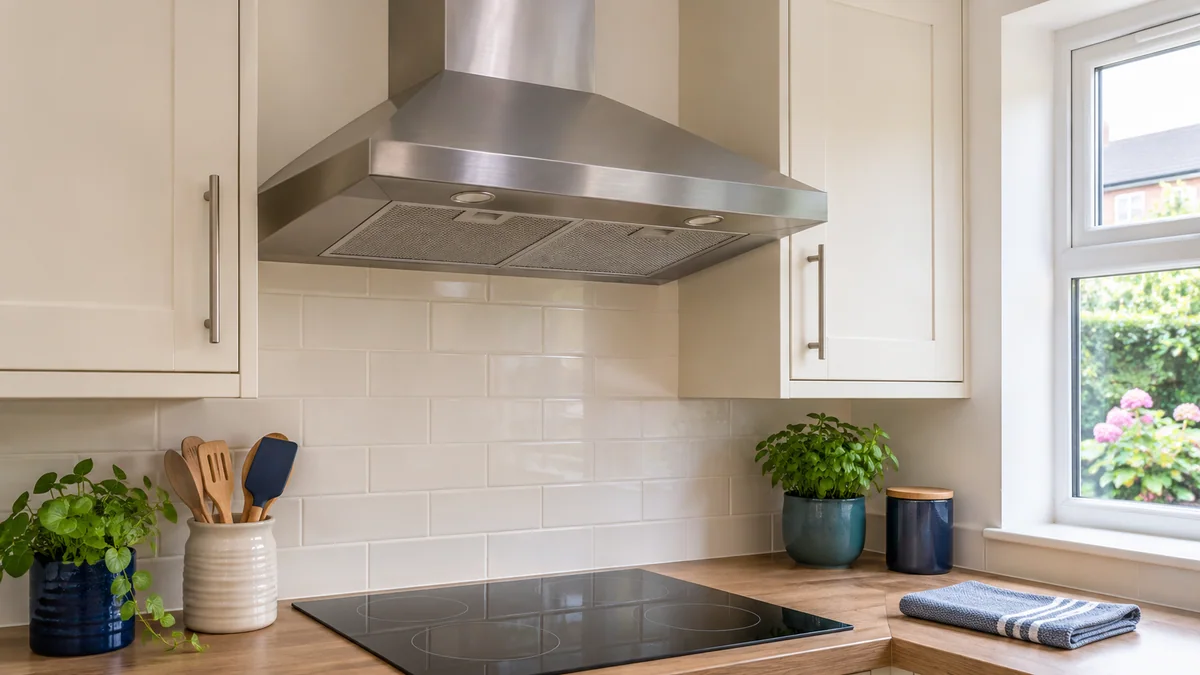
Do this every week
- Use the extractor fan or open a window when you cook or boil the kettle.
- Wipe condensation from windows and sills, and dry the area.
- Empty and rinse the bin. Wipe the fridge seals.
- Wash pet bowls daily and wipe the floor around them.
Do this every month or season
- Clean or replace the extractor filter.
- Check under the sink and behind the washing machine for slow leaks and damp.
- Defrost and clean the fridge drip tray.
- Vacuum behind and under appliances.
What to skip: leaving damp cloths and sponges in a heap. They grow mould. Hang them to dry or wash them regularly.
Bathroom
Where allergens collect: silicone sealant around the bath and shower, grout, ceiling corners, the extractor fan, shower curtain, bath mats and towels, and the window frame.
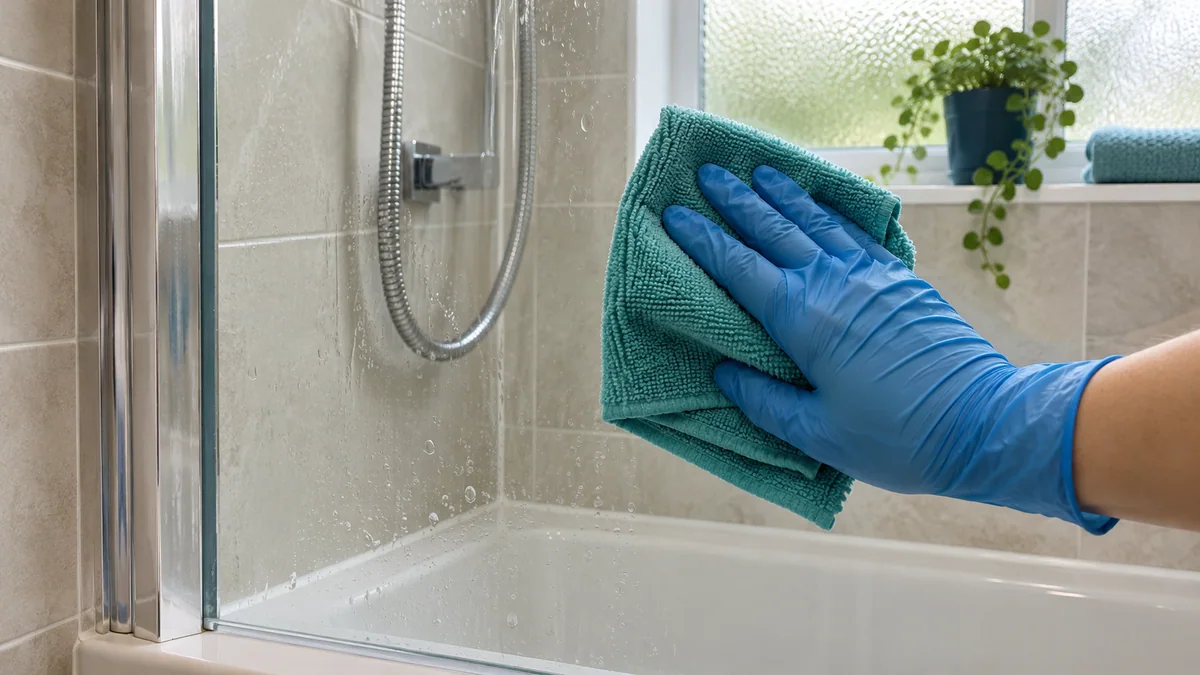
Do this every week
- Run the extractor fan during and after a shower, or open a window.
- Wipe or squeegee shower walls and screens, and wipe the window sill.
- Wash towels and bath mats, and hang them to dry fully.
- Keep the floor around the bath and toilet clear and dry.
Do this every month or season
- Check sealant and grout for black spots. Clean small patches with a mould and mildew product, not bleach, wearing a mask, gloves and goggles. GOV.UK guidance recommends this.
- Replace sealant that is badly stained, and find out why mould keeps coming back.
- Clean the extractor fan cover.
- Wash the shower curtain or replace it.
What to skip: painting over mould. It hides the problem, and the damp behind it stays.
Hallway and stairs
Where allergens collect: doormat, shoes and coats, stair carpet and banisters, pet beds by the door, and the floor under the radiator. Pollen and outdoor dust come in here first.
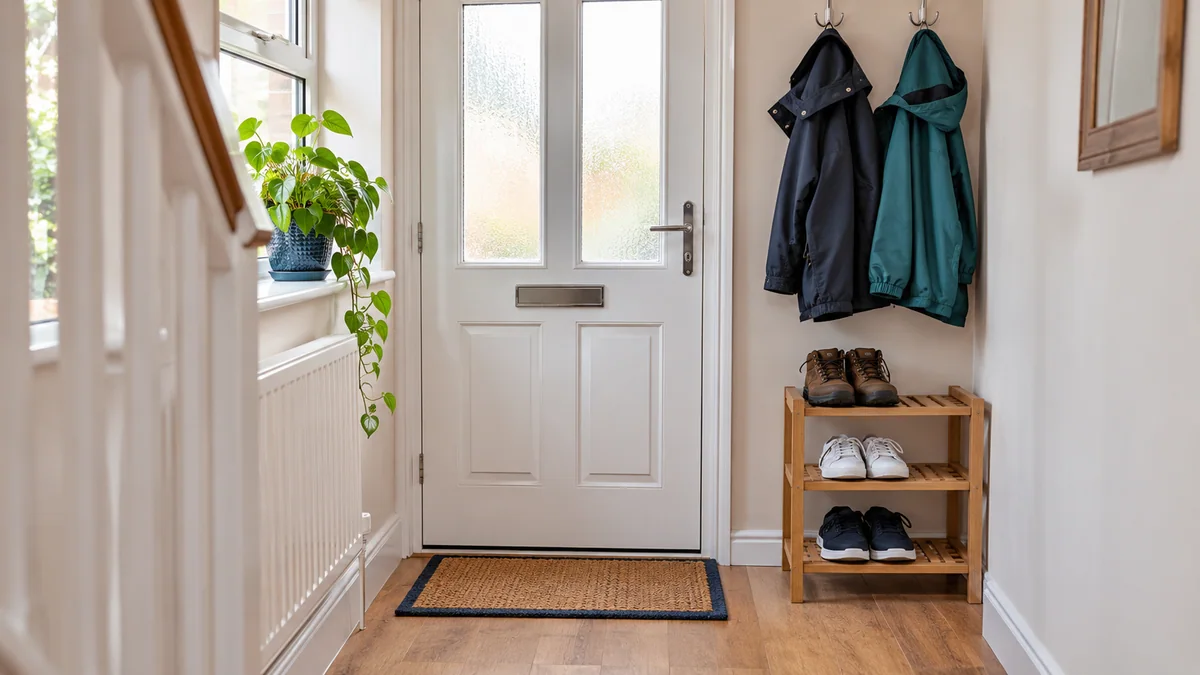
Do this every week
- Take shoes off at the door, and shake or wash the doormat outside.
- Vacuum stairs and landings slowly with a HEPA or similar vacuum.
- Damp-mop hard floors.
- Hang coats in the hall, not in bedrooms.
Do this every month or season
- Consider steam cleaning stair carpet.
- Wash coat linings and bags where labels allow.
- Wipe banisters and skirting boards.
- If you can, replace a stair runner that holds a lot of grit.
What to skip: carrying outdoor coats into the bedroom in pollen season.
Children’s rooms
Where allergens collect: bedding, soft toys, rugs, beanbags, books, toy boxes and the bottom bunk. Children spend long hours on the floor, close to where dust settles.
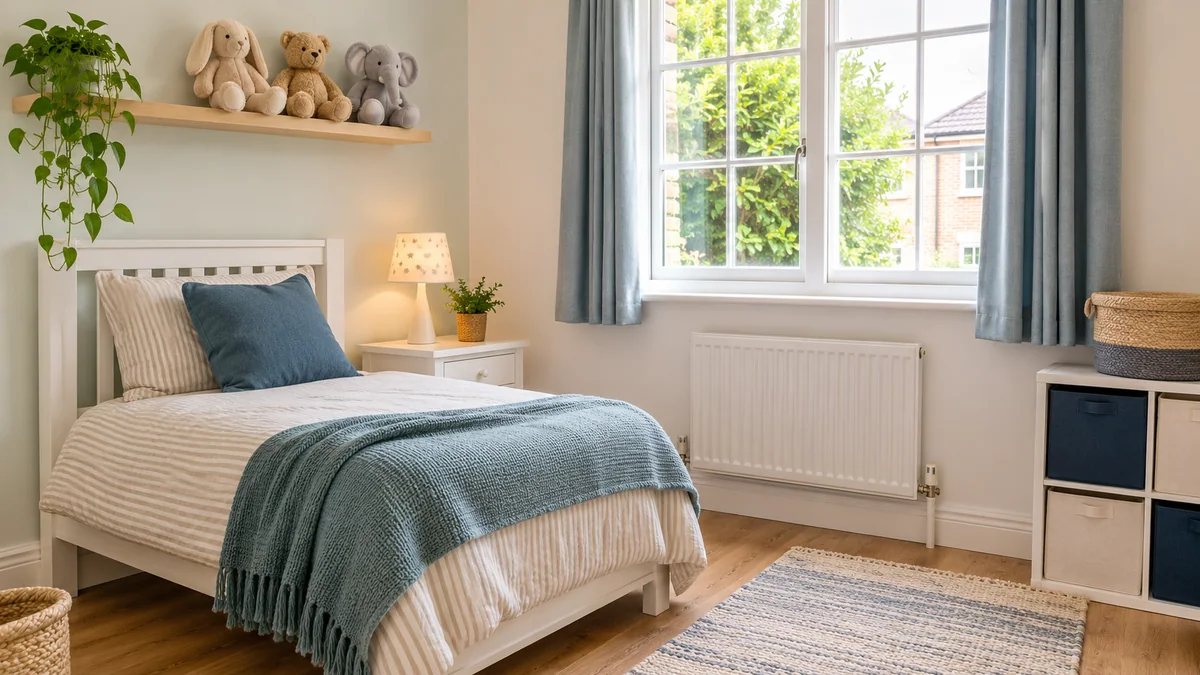
Do this every week
- Wash bedding at 60°C or above each week.
- Vacuum the floor and rug, and damp-wipe shelves and toy boxes.
- Keep a few soft toys on the bed, not a heap.
- Check for damp patches behind furniture.
Do this every month or season
- Wash soft toys, or freeze them for at least 12 hours monthly and then wash, as Allergy UK advises.
- Do not let an allergic child sleep in a bottom bunk, where dust and debris from above fall.
- Remove or reduce carpet where possible.
- Rotate toys so that fewer sit around collecting dust.
What to skip: keeping every soft toy and cushion on the bed.
The cleaning method matters more than the products
The way you clean decides whether you remove allergen or just move it. These habits come from the Allergy UK guidance and from what our cleaners do on site.
- Work top to bottom. Dust and allergen fall, so clean shelves and sills before floors, and finish at the door you will leave by.
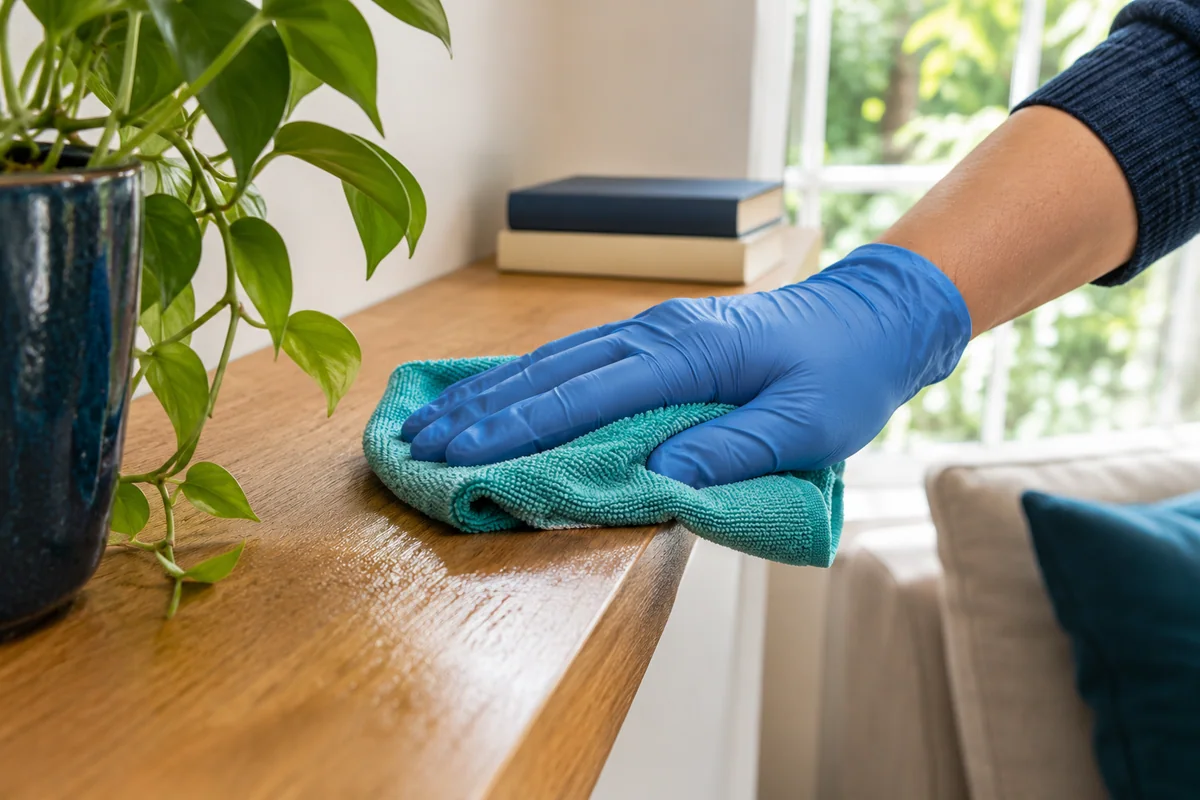
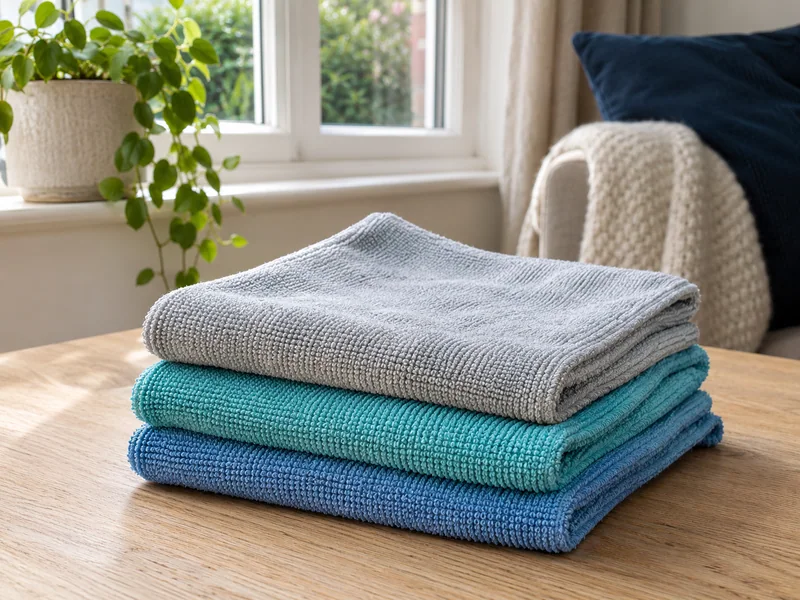
- Damp dust, never dry dust. A damp microfibre cloth traps dust. A dry cloth or feather duster throws it back into the air. Allergy UK advises damp-wiping surfaces weekly.
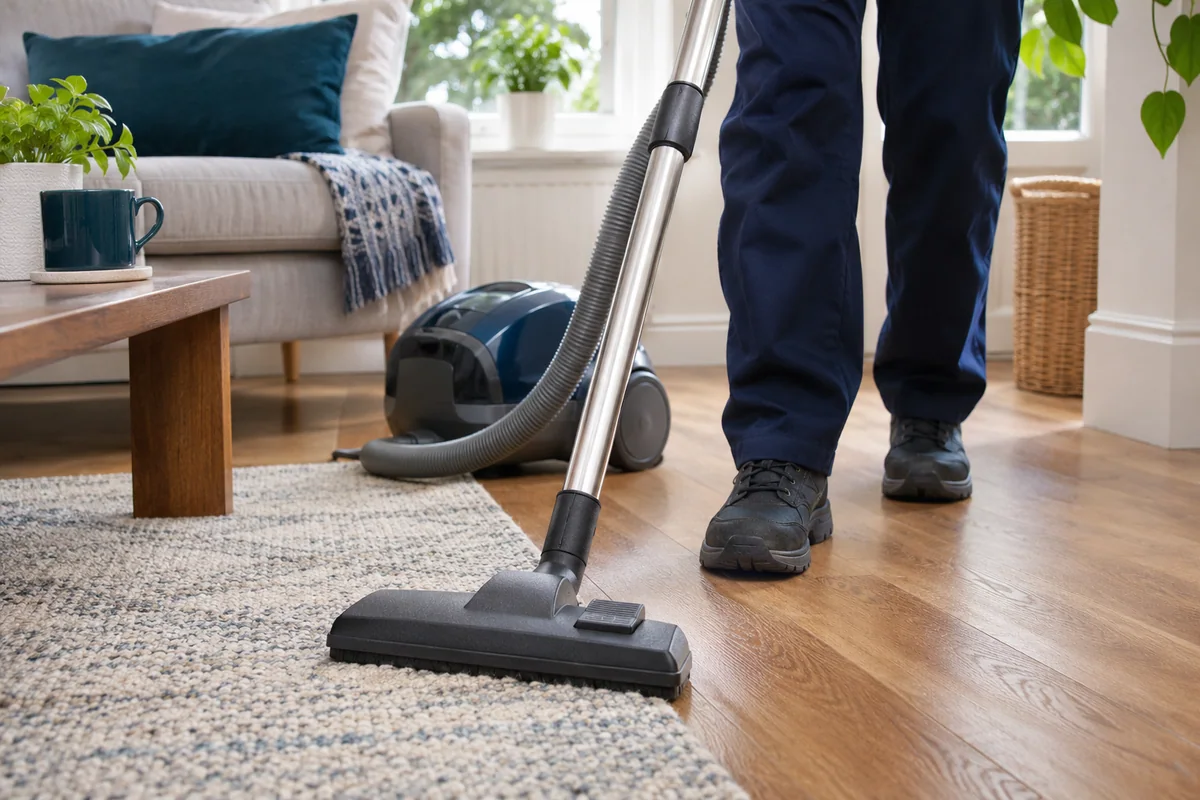
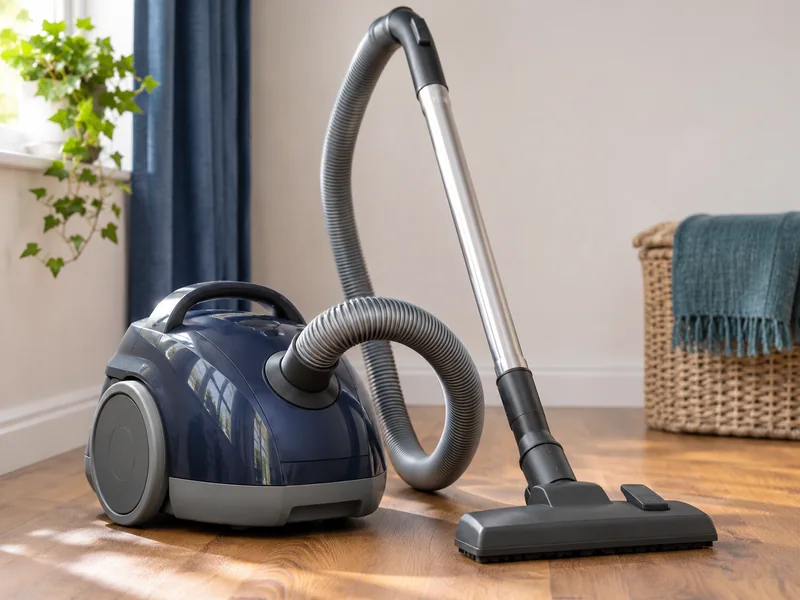
- Vacuum slowly with a sealed HEPA or S-class filter. These filters retain a high proportion of the smallest particles. A vacuum without good filtration can blow fine dust back out. If you are the allergic person, ask someone else to vacuum and empty it outside.
- Wash at the right temperature. Allergy UK says 60°C or above kills mites. Lower temperatures only wash allergen away for a while.
- Dry things properly. Moisture feeds mites and mould. Dry washing outside or in a vented dryer where you can, because indoor drying adds moisture to the air.
- Keep products simple. Strong fragrances and aerosol sprays can irritate airways. Plain products and hot water do most of the work.
- Keep clutter down. Fewer ornaments, piles and open shelves means fewer places for dust.
| Item | How often | How |
|---|---|---|
| Sheets, pillowcases, duvet covers (not inside covers) | Weekly | Wash at 60°C or above (Allergy UK). |
| Mattress, duvet and pillow covers | As the maker advises | Allergen-proof, breathable and fully enclosing (Allergy UK). |
| Upholstered furniture | At least twice a week | Vacuum all surfaces with a HEPA or S-class filter (Allergy UK). |
| Hard surfaces and sills | Weekly | Damp-wipe (Allergy UK). |
| Hard floors | Weekly or as needed | Wash with hot, soapy water (Allergy UK pet guidance). |
| Curtains, cushion covers, soft toys | Regularly | Hot wash if the label allows. Toys that cannot be washed at 60°C: freeze for at least 12 hours monthly, then wash (Allergy UK). |
| Pet bedding | Regularly | Hot wash (Allergy UK pet guidance). |
| Carpets | Regular vacuuming | HEPA vacuum, and consider high-temperature steam cleaning (Allergy UK). |
Covers, vacuums, purifiers and dehumidifiers: what is worth it?
There is a lot of marketing around allergy products. The most useful rule is Allergy UK’s: take several measures together and see whether you notice a difference. Here is what the guidance says about the common ones.
| Measure | What it does | What to know |
|---|---|---|
| Allergen-proof covers | Form a barrier between you and the allergen in the mattress, duvet and pillows. | Allergy UK says they should be breathable, completely enclose the item and be tested to prevent allergen escape. |
| HEPA or S-class vacuum | Keeps fine dust inside the machine instead of blowing it out. | Use it slowly and often. Empty the bin outside. |
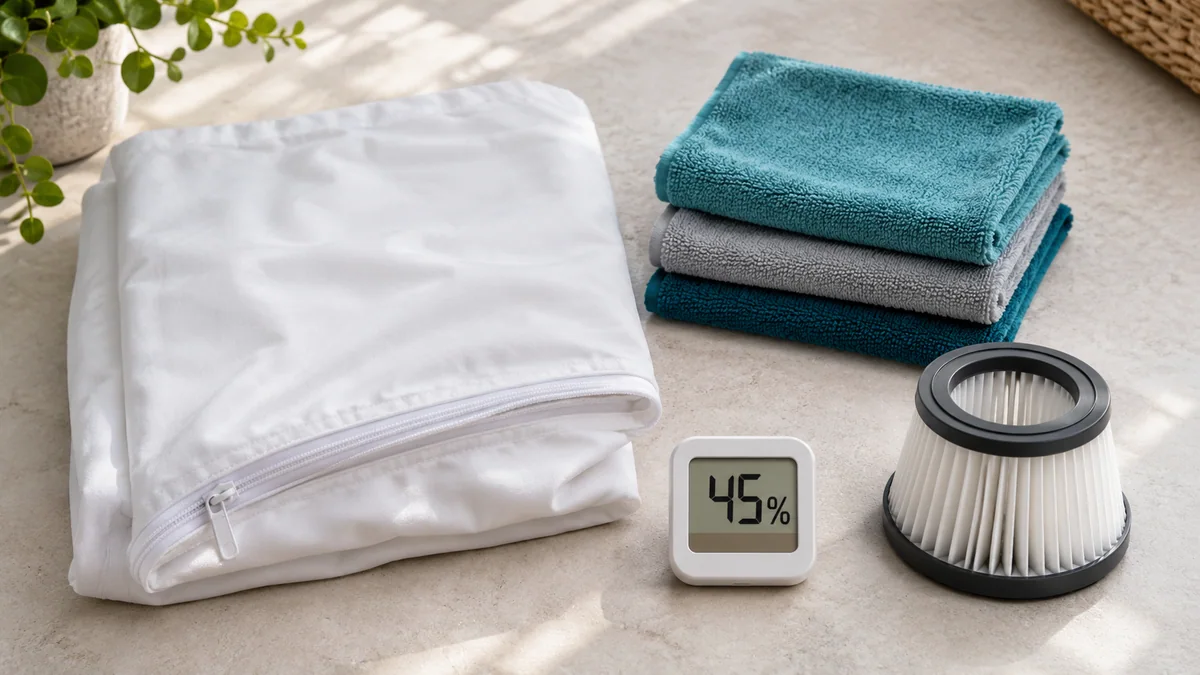
| Dehumidifier and hygrometer | Lower humidity, so that mites and mould do less well. | Allergy UK suggests under 50% but over 30%, using a dehumidifier if necessary. A basic hygrometer shows your reading. |
| Air purifier | Filters allergen that is floating in the air. | Allergy UK’s pet guidance says a purifier may help. It does not remove allergen from the mattress or carpet. |
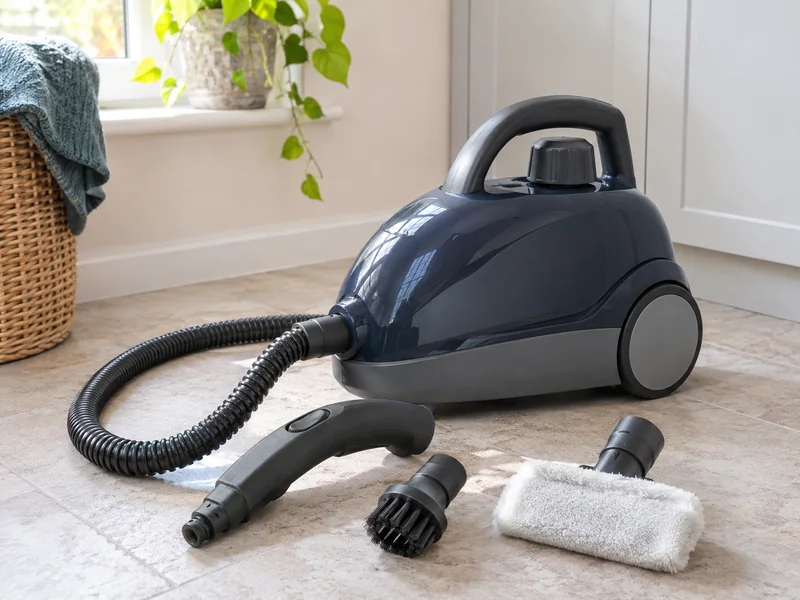
| Steam cleaner | Uses high temperature to disrupt allergens in carpets and upholstery. | Allergy UK suggests high-temperature steam cleaning for carpets. Check fabric labels first, and dry thoroughly afterwards. |
| Hard flooring in bedrooms | Fewer places for allergen to sit. | Allergy UK advises removing bedroom carpets where possible. |
Humidity, condensation and mould
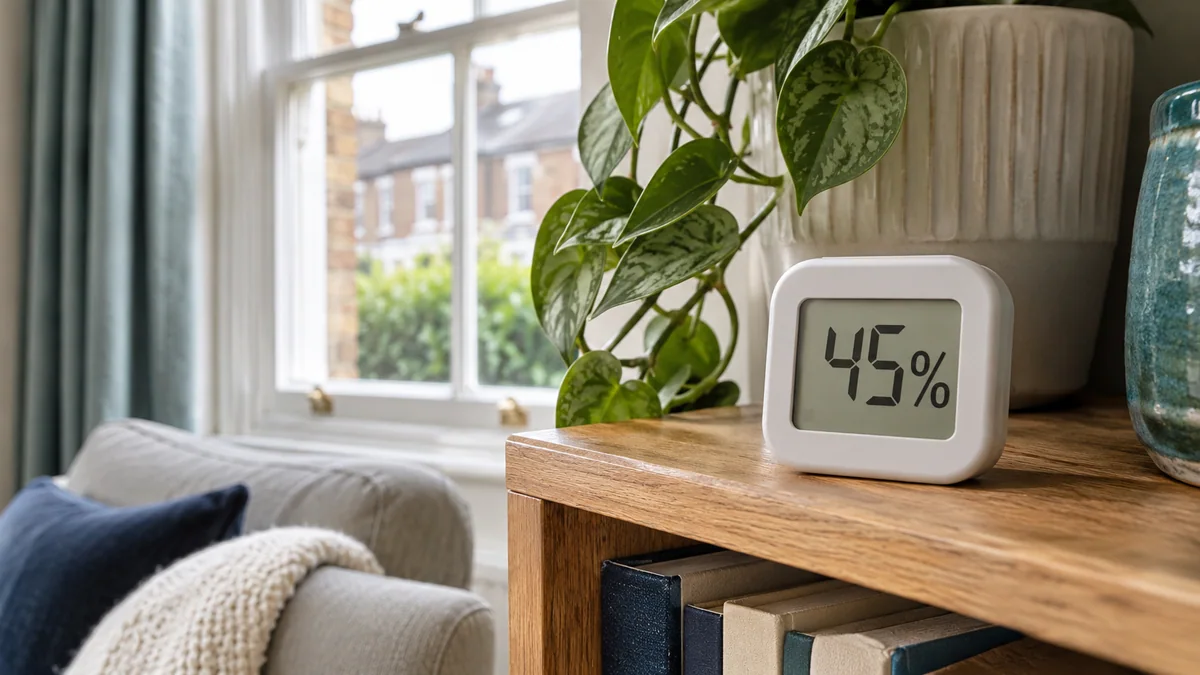
Dust mites and mould have one thing in common: they thrive in damp air. Allergy UK recommends keeping indoor humidity under 50% but over 30%. Very dry air irritates, and humid air feeds mites and mould. Try the gauge below with a reading from a basic hygrometer.
Humidity gauge
Move the slider to the relative humidity on your hygrometer.
Too dry. Under 30%, dry air can irritate the eyes, nose and throat. Reduce heating a little or use a humidifier carefully.
In the target range. This is the range Allergy UK recommends, between 30% and 50%. Mites and mould do less well here.
Above target. Mites do better as humidity rises. Ventilate, use extractor fans and consider a dehumidifier.
High. Condensation and mould are likely, and mites will thrive. Act now: ventilate, heat evenly, dry laundry elsewhere and look for leaks.
Where damp comes from
GOV.UK guidance on damp and mould describes four kinds. Condensation is the most common: moisture made in the home, from cooking, washing, drying clothes and breathing, cools on cold surfaces such as window frames and wall corners. Penetrating damp comes in through defects in walls, roofs, windows or floors. Rising damp moves up from the ground, usually in older properties. Traumatic damp comes from leaking or burst pipes, overflowing baths or sinks, or flooding. Poor ventilation, inadequate heating and poor energy efficiency make all of them worse.
The GOV.UK guidance says that simply removing surface mould will not stop it returning. Find and fix the cause. For small patches, the guidance says to document the area first, use a mould and mildew product in preference to bleach, wear a mask, gloves and goggles, keep doors shut but windows open, bag removed materials and let surfaces dry completely. Larger areas should be handled by qualified professionals. Mouldy carpet and soft furnishings may need to be thrown away.
Damp and mould mainly affect the airways and lungs, and they can trigger or worsen asthma and allergic rhinitis. The guidance lists people with allergies or asthma, children, older people, pregnant women and those with weakened immune systems as more at risk. If damp followed a leak or flood, see our flood clean up services. We clean and disinfect after water damage, but we do not repair leaks or treat damp. For that you need your landlord, a plumber or a damp specialist.
If you rent
If damp or mould is making you ill, report it to your landlord in writing and keep photographs. In social housing, Awaab’s Law has applied since October 2025 to damp and mould and to emergency hazards. A significant damp or mould hazard that a reasonable landlord would make safe within 15 working days must be dealt with within that time, and emergency hazards within 24 hours. Phase 2, due from 30 November 2026, extends the rules to more hazards, including excess cold, excess heat and fire. Private tenants have other routes, including the council’s environmental health team. Shelter’s damp and mould guide explains your options.
Pollen season: keeping it out of your home
Pollen does not stay outside. It rides in on hair, clothes, pets and shoes, then settles on sills, bedding and floors, where it keeps causing symptoms long after you have come in. The Met Office gives the UK timings for each type. Click a cell in the calendar for the detail, and the current month is outlined.
The UK allergen calendar
| Allergen | Jan | Feb | Mar | Apr | May | Jun | Jul | Aug | Sep | Oct | Nov | Dec |
|---|---|---|---|---|---|---|---|---|---|---|---|---|
| Tree pollen | ||||||||||||
| Grass pollen | ||||||||||||
| Weed pollen | ||||||||||||
| House dust mites (indoors) |
- Start or end of season
- In season
- Main peak (the Met Office gives one for grass)
What helps at home in pollen season
- Shower and wash your hair when you come in, and change out of outdoor clothes.
- Damp-wipe window sills, door frames and the hall floor, and vacuum slowly with a HEPA or similar filter.
- Keep windows closed on high pollen days, and check the Met Office pollen guidance.
- On high pollen days, dry washing in a vented dryer or a well-ventilated room rather than outside, where it collects pollen.
- Wipe pets with a damp cloth after walks, and keep them out of the bedroom.
- Wash bedding weekly, and change pillowcases more often if you wake with symptoms.
The NHS hay fever page covers treatment and when to see your GP or pharmacist.
Pets and dander
Pet allergy is caused by proteins in a pet’s saliva, urine and dander. For cats, the allergen comes from the skin, fur and glands, and is spread on the fur when the cat licks itself. Allergy UK describes cat allergen as particularly persistent, and it can stay in a home long after the animal has gone. That matters if you are moving into a home where pets lived.
What Allergy UK advises
- Keep pets outside where possible, and always out of the bedroom.
- Do not let pets sit or sleep on sofas, cushions or beds.
- Wash pet bedding regularly on a hot wash.
- Damp dust as often as possible.
- Have someone other than the allergic person vacuum carpets, with a HEPA filter.
- Wash hard floors with hot, soapy water.
- Wash hands after touching or being licked by a pet.
Other measures it mentions
- Wash duvet covers, curtains, cushions and soft toys on a hot cycle.
- Super-heated steam cleaning may disrupt allergens so they no longer cause symptoms.
- An air purifier may help to reduce airborne allergens.
- Regular washing and grooming by a non-allergic person may reduce allergen shedding.
- Clean animal cages outside, and replace bedding or litter that has urine on it.
If you are thinking of rehoming a pet, speak to your GP or an allergy specialist first. Many households manage with a pet-free bedroom and a strict cleaning routine. Some people do not, and the right decision depends on how severe the allergy is.
A routine you can keep
Allergy-proofing fails when it is a one-off blitz. A short routine works better than a big clean every few months. Pick the frequency below and tick the jobs off. Your ticks are saved on this device only.
Your allergy cleaning routine
Daily
0 of 5 done
Weekly
0 of 7 done
Monthly
0 of 6 done
Seasonal
0 of 6 done
When a professional allergy clean helps
You can do a lot yourself. A professional clean is worth considering when the job is bigger than a weekly routine, or when you cannot do the heavy cleaning yourself.
- You have just moved in. Previous pets, smoke or years of dust sit in carpets and soft furnishings. A clean before you unpack gives you a clean start.
- There has been building work. Fine dust travels and settles on every surface.
- There has been a leak or flood. Water damage can lead to damp and mould. See our flood clean up services.
- Someone in the home has asthma or severe allergies and cannot safely do the vacuuming and wiping themselves.
- A baby is on the way, or a child’s symptoms are worse in their own room.
- You want a seasonal reset before the tree or grass pollen season starts.
An EC247 allergy clean works on the places allergens collect: bedding areas, sofas, carpets and rugs, hard floors, skirting, sills and curtains. We start with the rooms that bother you most, plan around pets, and tell you plainly what cleaning can and cannot do. We are not a medical service and we cannot promise that symptoms will ease. See our allergy cleaning services for how it works.
Questions to ask any allergy cleaner
- Do they ask what triggers you, and which room matters most?
- Do they damp dust rather than dry dust?
- What do they use to vacuum fine dust?
- Will they plan around pets, and how do they handle fabrics that cannot be washed hot?
- Do they say honestly what cleaning cannot do?
Allergy-proofing a London home
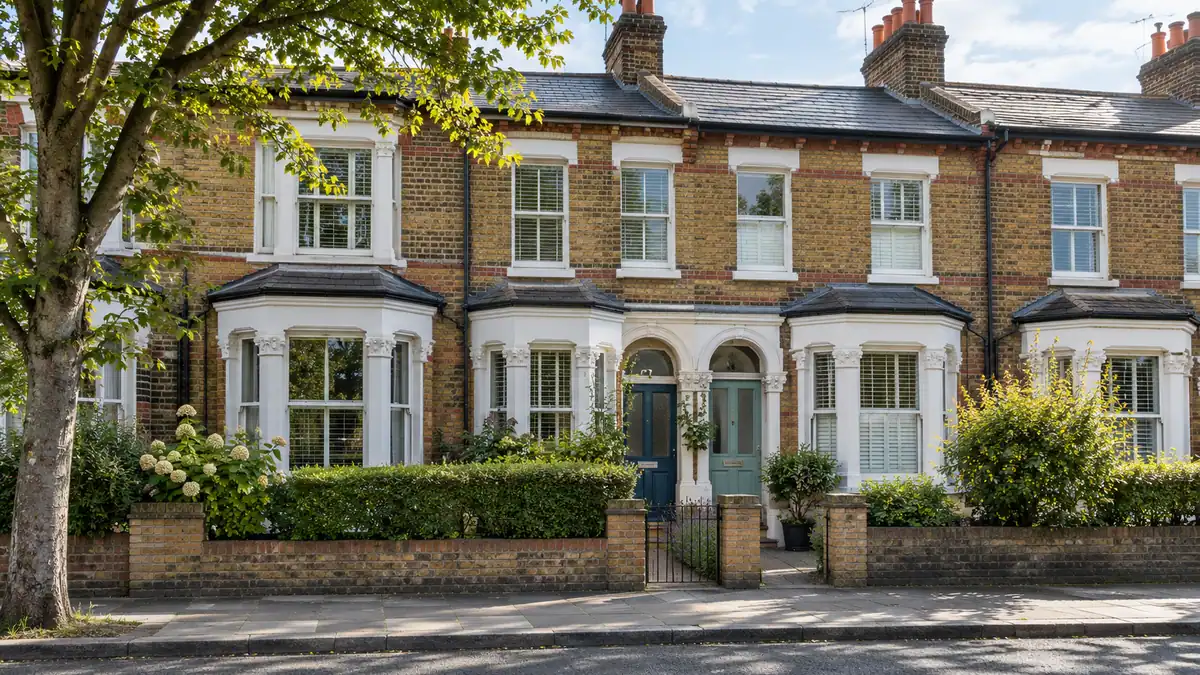
London homes have their own challenges. Many are Victorian and Edwardian terraces and conversions, where condensation collects on single-glazed or older windows and in rooms with little ventilation. Flats may have only one or two windows that open, and rented homes often have fitted carpets that tenants cannot change. Homes close to main roads can collect fine road dust on sills and curtains.
The practical answer is the same: reduce moisture, choose hard floors where you can, and keep up weekly damp wiping and HEPA vacuuming. If you would like help locally, we have pages for allergy cleaning in Lewisham, allergy cleaning in Greenwich, allergy cleaning in Sutton, allergy cleaning in Bromley, allergy cleaning in Croydon. All of them start with the rooms that bother you most.
Frequently asked questions
Can cleaning cure my allergy?
No. Cleaning lowers the amount of allergen in your home, which can reduce symptoms for some people, but it is not a cure or a treatment. Allergy UK says avoidance measures lower allergen levels without removing them, and that you cannot predict who will benefit. Speak to a pharmacist or GP about symptoms.
How often should I wash bedding for dust mite allergy?
Allergy UK advises washing bedding that is not inside allergen-proof covers every week, at 60°C or above. Lower temperatures only wash allergen away for a while.
What humidity is best for a home with allergies?
Allergy UK recommends keeping indoor humidity under 50% but over 30%. Above that range dust mites and mould do better. A basic hygrometer shows your reading, and a dehumidifier can help if you need it.
Do air purifiers work for allergies?
Allergy UK’s pet guidance says an air purifier may help to reduce airborne allergens. It does not remove allergen from mattresses, carpets or upholstery, so it works best alongside washing, vacuuming and damp wiping.
Should I remove the carpets if I have an allergy?
Allergy UK advises removing bedroom carpets where possible, because hard floors are easier to keep clear. If you keep carpet, vacuum it often with a HEPA or similar filter and consider high-temperature steam cleaning.
Is mould an allergen?
Mould spores can trigger allergic reactions, and UK government guidance says damp and mould mainly affect the airways and lungs and can trigger or worsen asthma and rhinitis. Cleaning removes the patch, but you also need to fix the damp that caused it.
Can I keep a pet if I am allergic?
Some people do, with a pet-free bedroom, hot-washed pet bedding, damp dusting and HEPA vacuuming. The right choice depends on how severe your allergy is, so speak to your GP or an allergy specialist.
When is hay fever worst?
The Met Office gives tree pollen from late March to mid-May, grass pollen from mid-May to July with a main peak in early June, and weed pollen from the end of June to September. Timing varies each year.
My landlord has not dealt with mould. What can I do?
Report it in writing and keep photographs. Social landlords in England now have timescales under Awaab’s Law for damp and mould, and private tenants can ask the council’s environmental health team for help. Shelter has guidance on your options.
Does a professional allergy clean help?
It cleans the places where allergens collect, such as bedding areas, sofas, carpets, floors, skirting, sills and curtains. We cannot promise your symptoms will ease, and it works best alongside the habits in this guide.
Sources and further reading
We checked the facts in this guide against the sources below. Rules and guidance change, so check the original page for the latest version before you act on it.
- Allergy UK: House Dust Mite Allergy: mite droppings, humidity, 60°C washing, covers, vacuuming and the strength of the evidence
- Allergy UK: Pet Allergy: pet allergens, persistence and cleaning advice
- Met Office: When is hay fever season?: tree, grass and weed pollen months
- GOV.UK: Understanding and addressing the health risks of damp and mould in the home: health effects, causes and cleaning small areas
- GOV.UK: Awaab’s Law and safer homes: the government announcement on Awaab’s Law
- Bevan Brittan: Awaab’s Law phase 2: phase 1 and phase 2 timescales
- Shelter England: Damp and mould problems: tenants’ options
- NHS: Allergies: symptoms, treatment and when to get urgent help
- NHS: Hay fever: self-help advice and treatment
Related EC247 services
Want a home cleaned for allergies?
Tell us what sets you off and which room matters most. EC247 cleans the places where dust, pet dander and pollen settle, and tells you plainly what cleaning can and cannot do.